
logo
Shared E-Mobility
OEM/ODM
Technology
Support
Blogs
About
Contact Us
Electric Scooters
Electric Bikes
ES400A
ES400AV2
ES410
ES600P
ES700
HomeNewsEssential Tips for Riding an Electric Scooter Uphill
Essential Tips for Riding an Electric Scooter Uphill

Essential Tips for Riding an Electric Scooter Uphill

Riding an electric scooter uphill can be both thrilling and challenging. Whether you’re commuting through a hilly city, navigating steep neighborhood roads, or exploring scenic mountain routes, understanding how to tackle inclines efficiently makes all the difference. Many riders often wonder, can electric scooters go uphill? The short answer is yes — but only if you know how to do it right and choose the right model designed for the job.


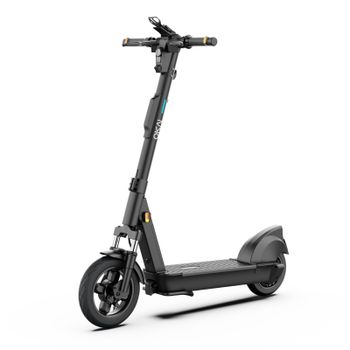
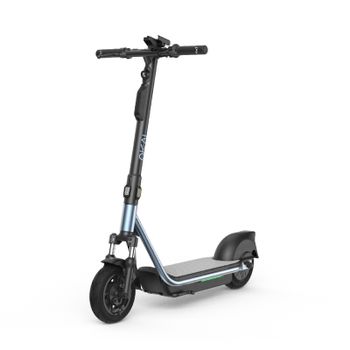
In this guide, we’ll break down essential tips for riding an electric scooter for hills, explore the mechanics behind uphill performance, and show you how high-quality models like the OKAI ES700 deliver smooth, powerful, and safe hill-riding experiences.


Can Electric Scooters Go Uphill?


This is one of the most common questions from new riders: can electric scooters go uphill? Yes, modern electric scooters can handle hills — but their climbing ability depends on several factors, including motor power, battery capacity, rider weight, tire grip, and incline steepness. Not all scooters are built equally; while entry-level models may struggle on steep grades, advanced scooters are specifically engineered to take on challenging terrain with ease.


When selecting an electric scooter for hills, it’s essential to look for one with a powerful motor (at least 500W or higher) and robust battery output. These features ensure steady torque delivery, maintaining speed and stability even on inclines.


Factors That Affect Hill-Climbing Performance


Before learning how to ride uphill efficiently, it’s helpful to understand what determines an electric scooter’s uphill performance.


Motor Power and Torque


The motor is the heart of your scooter’s climbing ability. Higher wattage means stronger torque and faster acceleration uphill. Scooters with dual motors or enhanced rear-wheel drive provide more traction and control when climbing.


Battery Output


A larger battery capacity allows your scooter to sustain higher power output for longer periods, preventing power drop-offs on long inclines.


Rider Weight


Heavier loads require more power. Always check the manufacturer’s maximum load rating to ensure your scooter performs optimally uphill.


Incline Angle


Even the best electric scooter for hills has a limit. Most models can handle slopes between 15–30 degrees, depending on motor strength and torque efficiency.


Tire Type and Grip


Wide pneumatic tires improve traction on slopes and uneven terrain. They absorb shocks and help prevent wheel slippage when climbing.


Suspension System


A strong suspension system helps maintain balance and stability while riding uphill, especially on rough or bumpy roads.


Essential Riding Tips for Going Uphill


Knowing that electric scooters can go uphill is one thing — mastering the technique is another. Here are key tips to help you climb confidently and safely:


Build Momentum Before the Hill


Whenever possible, gather momentum on flat ground before approaching an incline. A steady speed helps the motor transition smoothly into hill-climbing mode without sudden strain.


Lean Forward Slightly


When riding an electric scooter uphill, shift your body weight slightly forward. This keeps the front wheel grounded and improves traction, reducing the risk of losing balance or slipping backward.


Maintain a Steady Throttle


Avoid full-throttle bursts. Instead, apply consistent, moderate acceleration. Sudden power surges can deplete your battery faster and put unnecessary pressure on the motor.


Stay in an Upright and Balanced Position


While leaning forward helps, don’t overdo it. Keep your knees slightly bent and core engaged to absorb shocks and maintain balance.


Avoid Zigzagging


Some riders try to climb steep hills by zigzagging. This technique increases distance and power demand. Instead, go straight up at a controlled speed to conserve energy.


Check Tire Pressure Regularly


Properly inflated tires ensure maximum traction and minimize rolling resistance — crucial for effective hill climbs.


Use Regenerative Braking on Descents


Once you reach the top, you’ll need to go downhill safely. Engage regenerative braking to control speed and recover some energy for your battery.


Choosing the Right Electric Scooter for Hills


If you live in a hilly area, choosing the right electric scooter for hills is vital. Not all scooters are designed for gradient challenges. When shopping, focus on these key specifications:


  • Motor Power: Look for at least 500W, though 700W–1000W provides better performance on steep inclines.
  • Battery Capacity: Larger batteries mean longer uphill endurance.
  • Hill Climb Rating: Check manufacturer data for maximum gradient capacity.
  • Frame Strength: A durable, stable frame enhances control during climbs.
  • Safety Features: Strong brakes, LED lighting, and suspension systems are must-haves for hill riding.


How to Maintain an Electric Scooter for Hills


Riding an electric scooter uphill frequently means your scooter endures greater strain. Proper maintenance helps extend its lifespan and ensure consistent performance.


Keep the Battery Fully Charged:


Before tackling steep routes, charge your scooter completely. A full battery ensures maximum torque and acceleration.


Regularly Inspect the Motor:


After frequent climbs, check for signs of overheating or unusual noise. Clean debris around the motor to maintain airflow.


Monitor Brake Performance:


Brakes wear out faster on slopes. Test them regularly and replace pads when needed.


Lubricate Moving Parts:


Apply light lubrication to joints and bearings to prevent friction, especially if you ride in dusty or rainy conditions.


Protect the Electronics:


Avoid exposing your scooter to prolonged moisture or extreme temperatures to preserve battery life and circuitry.


Safety Precautions When Riding Uphill


Riding an electric scooter uphill requires extra caution due to gravity, traction, and visibility factors. Follow these safety practices:


  • Wear Proper Gear: Always use a helmet, gloves, and knee pads.
  • Stay Visible: Use front and rear lights — especially important if you ride early morning or at dusk.
  • Avoid Overloading: Stick to the scooter’s weight limit to prevent reduced motor efficiency.
  • Scout the Route: Avoid roads with loose gravel, sand, or water patches that can cause wheel slips.
  • Brake Early on Descents: When going downhill, brake gradually to avoid skidding or overheating the system.


Common Mistakes to Avoid


Even experienced riders sometimes make errors when handling inclines. Here’s what to watch out for:


Starting Too Slowly:


Beginning from a standstill on a slope can cause the motor to strain. Always get a little momentum first.


Overusing Full Throttle:


Consistent, moderate power is more effective and preserves energy.


Ignoring Maintenance:


Dirt, worn tires, or low battery levels can drastically affect uphill capability.


Underestimating Hill Grade:


Some slopes may exceed your scooter’s rated incline. Check specifications before attempting steep terrain.


Why Electric Scooters Are Ideal for Hilly Cities


Electric scooters aren’t just urban toys — they’re practical, eco-friendly solutions for cities with mixed terrain. With advancements in motor technology and battery performance, electric scooters for hills are now capable of tackling routes once considered impossible for small vehicles.


They consume less energy, emit zero carbon emissions, and require minimal maintenance compared to cars or motorcycles. In addition, the compact size allows for easy parking and maneuverability through traffic or narrow streets.


As the demand for sustainable transportation rises, e-scooters like the OKAI ES700 lead the way in redefining personal mobility for modern riders who face both flat and hilly environments.


The Future of Electric Scooters and Hill Performance


With innovations in battery chemistry, motor control, and smart connectivity, the next generation of electric scooters will handle hills more efficiently than ever before. Features like regenerative braking, AI-assisted torque control, and lightweight alloy frames are making uphill rides smoother and more energy-efficient.


As technology evolves, riders won’t just ask, “can electric scooters go uphill?” — they’ll expect them to do so effortlessly, safely, and with minimal energy loss. Brands like OKAI are pioneering this shift, combining advanced engineering with minimalist, user-friendly design.


Conclusion


Riding an electric scooter uphill doesn’t have to be intimidating. With the right knowledge, proper technique, and a powerful scooter like the OKAI ES700, you can conquer steep roads with confidence.

The key lies in preparation: understanding your scooter’s capabilities, maintaining your equipment, and applying safe riding techniques. Whether you’re exploring the hills of San Francisco or cruising through elevated cityscapes, an electric scooter for hills offers freedom, flexibility, and sustainability — all in one sleek, efficient package.

Share
Previous article
Next article

Phone: 1-800-660-3498


Email: 

nihao@okai.co 

(for business)

b2bsupport@okai.co 

(for tech support)

Electric Scooters
Electric Bikes
OEM/ODM
About Us
Terms & Policy

Copyright © 2023 OKAI all rights reserved.