
電動自転車はビーチでの走行に適していますか?
電動自転車が都市や観光地で人気を集めるにつれ、多くのライダーが次のような疑問を抱いています。電動自転車はビーチでの走行に適していますか? 簡単に答えると「はい」ですが、適切なタイプの電動自転車を選択し、砂の上を安全に乗る方法を理解することが、この体験を楽しむための鍵となります。
海岸沿いの冒険家、観光業界の事業主、またはeバイクのレンタルを検討しているリゾート運営者など、このガイドはeバイクの可能性を理解するのに役立ちます。 電動自転車 ビーチでの過ごし方、そしてビーチを最大限に楽しむ方法。
ビーチ愛好家が電動自転車に注目する理由
海岸沿いの町は、ゆっくりとしたクルーズ、海の景色、そしてアウトドアアドベンチャーに最適です。しかし、長い海岸線を歩いたり、砂浜で自転車をこいだりするのは、すぐに疲れてしまいます。そこで、電動自転車 輝く。
これらのペダルアシスト車両は、ビーチ、遊歩道、トレイルを楽々と探索することを可能にし、身体活動と電動アシストを融合させます。観光客にとっては、海岸線をより身近に体験できる手段となります。また、レンタルショップやリゾートなどの事業者にとっては、環境に優しい交通手段を求めるお客様にサービスを提供する新たな機会を創出します。
砂地での電動自転車の走行課題
ながら 電動自転車 は非常に多用途ですが、ビーチの環境ではいくつかの特有の課題が生じる可能性があります。
- ゆるい砂 トラクションがほとんどなく、転がり抵抗が増加します
- 塩水 と 湿度 自転車の部品を腐食させる可能性があります
- 風と塩水しぶき 時間の経過とともに電子機器に影響を及ぼす可能性があります
そうは言っても、乗馬 オン 固く詰まった砂 (通常は水面に近い)砂丘を走る方が、乾いた砂丘を力強く駆け抜けるよりもはるかに扱いやすく、楽しいです。適切な設計と走行後のケアがあれば、e-Bikeは沿岸部でも優れた性能を発揮します。
電動自転車をビーチに適したものにするには?
すべてではない 電動自転車 砂地での走行に関しては特にそうです。ビーチで電動自転車の使用や提供を検討している場合は、以下の重要な機能に注目してください。
ファットタイヤ
ビーチライドには、ファットタイヤ(幅3.5~4.8インチ)が不可欠です。接地面積が広くなるため、自転車が柔らかい砂に沈み込むのを防ぎ、不整地でも優れたグリップ力を発揮します。
高トルクモーター
砂地のような高抵抗エリアで速度とコントロールを維持するには、通常500W以上の強力なモーターが必要です。この目的には、ミッドドライブまたはリアハブモーターが適しています。
長持ちバッテリー
ビーチでのライドは長距離になり、より多くの電力を消費します。48V(またはそれ以上)のバッテリーは、厳しい走行条件でも安定したパフォーマンスと長い走行距離を保証します。
スロットルオプション
スロットル コントロールにより、ライダーはペダルを踏み続けることなく砂の上を力強く走ることができます。経験の浅いライダーや、気軽に自転車に乗る観光客に最適です。
耐腐食性部品
探す 電動自転車 ステンレス鋼、アルミニウム合金、シールベアリングを採用。塩分を含んだ空気や水への曝露による錆や損傷を防ぎます。
防水電子機器
コントローラー、バッテリー、モーターは、耐水性を備えた保護ケースに収納する必要があります (IP65 以上が理想的)。
ビーチでのライディングのためのメンテナンスのヒント
海辺でのサイクリングは楽しいですが、特別なケアが必要です。メンテナンス方法をご紹介します。 電動自転車 砂浜の冒険の後:
✅ 塩と砂を洗い流す 乗るたびに新鮮な水を飲む
✅ バイクを完全に乾かします 錆を防ぐために保管する前に
✅ チェーンに再度注油する 砂や塩によって剥がれてしまうので、頻繁に行う必要があります
✅ タイヤの空気圧をチェックする 砂の上で最適に浮くように定期的に
✅ 電気部品の検査 腐食の兆候がないか確認する
ビーチ対応の電動自転車の恩恵を受けるのは誰でしょうか?
1. 観光事業
ビーチタウンでは電動自転車のレンタル事業が活況を呈しています。観光客は疲れることなく海岸線を自由に探索できることに魅力を感じており、レンタルは収益性が高く、メンテナンスの手間も少ないサービスモデルとなっています。特に耐久性の高いファットタイヤバイクは、その好例です。
詳細: ホスピタリティと観光業における電動自転車レンタルの台頭:B2Bバイヤーが知っておくべきこと
2. リゾート&ホテル
高級リゾートやビーチホテルでは ビーチに適した電動自転車 ゲストアメニティの一部として。砂地の小道や遊歩道にも対応できるよう設計されたこれらの電動自転車は、広大な敷地内の移動性を向上させ、海岸沿いの散策を便利にすることでゲストの体験を向上させます。
3. 市役所のサービスとパトロール
多くの地方自治体では、海岸パトロール、清掃作業員、公園管理員などに電動自転車を活用しています。電動自転車はATVよりも静かで、環境への影響を軽減しながら、広い範囲を効率的に巡回できます。
沿岸航行のためのよりスマートな電動自転車ソリューション
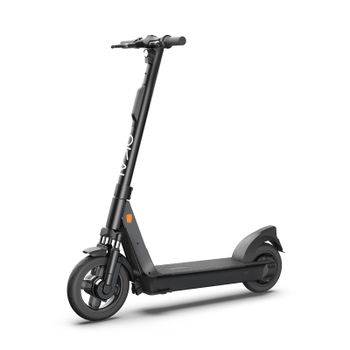
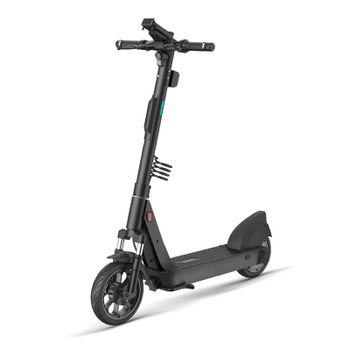
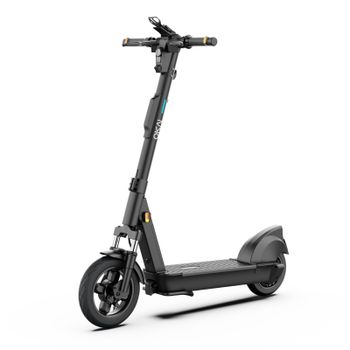
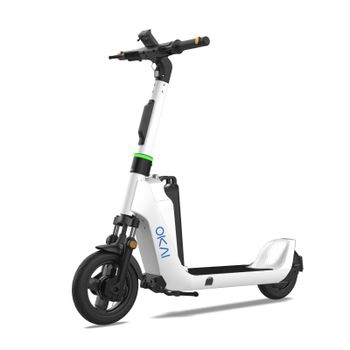
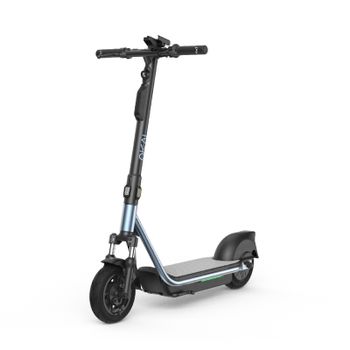
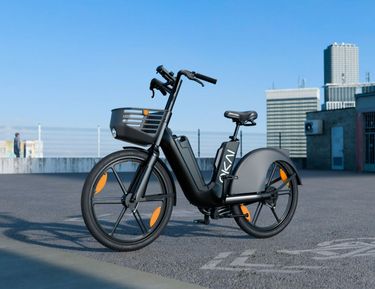
OKAIでは、沿岸環境特有のニーズを理解しており、それに応える電動自転車を開発しました。ファットタイヤと全地形対応のeバイクモデル はビーチでの走行に特化した設計で、耐腐食性素材、高トルクモーター、長距離バッテリーを組み合わせることで、最も重要な場面で信頼性の高いパフォーマンスを発揮します。パートナー向けに特別に設計された当社のフリート対応ソリューションは、GPS、リモート診断、カスタマイズ可能なブランディング機能を備えており、レンタル事業者、リゾート、モビリティプロバイダーが自信を持って成長できるよう支援します。観光用フリートの拡大やリゾート交通のアップグレードなど、当社の拡張可能なマイクロモビリティシステムは、海岸沿いでの利用に最適です。
ビーチで電動自転車を使うことによる環境へのメリット
沿岸地域は環境に対して敏感な地域であることが多い。自動車とは異なり、 電動自転車 静かで、排出ガスがなく、地形にも優しいため、持続可能な交通手段となります。
自治体やグリーン認証リゾートでは、 電動自転車 環境目標の達成と観光客の移動性向上に寄与します。電動自転車はビーチタウンの交通渋滞緩和にも役立ち、空気清浄と騒音公害の軽減にも貢献します。
ビーチで電動自転車を使用する際に避けるべきこと
最高の体験を実現し、e-bike を保護するために、次のようなよくある間違いを避けてください。
❌ 海水や潮だまりの中を走行しないでください。腐食が促進されます。
❌ バイクが挟まる可能性がある、極端に乾燥した柔らかい砂丘は避けてください
❌ 潮風の中で走行した後は、必ずすすぎと乾燥を行ってください。
❌ 標識を無視しないでください。保護された野生生物地帯や砂丘には近づかないでください。
最終的な考察: 電動自転車はビーチに適していますか?
もちろんです。適切なモデルを選び、適切にメンテナンスすれば大丈夫です。幅広のタイヤ、パワフルなモーター、そして耐久性の高い部品で、 電動自転車 ビーチの地形にも予想以上に適応します。海岸線を楽しく、環境に優しい方法で探索できるだけでなく、観光業やホスピタリティ業界の方々にとって収益性の高いビジネスチャンスにもなります。
沿岸での電動自転車体験の市場が拡大するにつれ、ライダーと企業はともに、この持続可能な冒険の新しい時代を受け入れることで利益を得ることができます。
ビーチでの活動に必要な装備は揃っていますか?
信頼性が高く、高性能な 電動自転車 ビーチサイドのビジネス、リゾート、または艦隊へ 理由 は、あなたの成功を支援するツールを提供します。スマートな機能から頑丈な構造まで、 私たちの e-bike は、砂、海、太陽などの厳しい条件に耐えられるよう作られています。
OKAIが提供するサービスの詳細については、をご覧ください。 お公式ウェブサイト.
お問い合わせ 私たちの チーム 車両の価格、カスタマイズ オプション、ロジスティクス サポートを調べます。

電話番号: 1-800-660-3498
メールアドレス:
nihao@okai.co
(ビジネス向け)
b2bsupport@okai.co
(テクニカルサポート用)
著作権 © 2023 OKAI 無断転載禁止。